Checkpoint simulation that turns into tense nocturnal horror
Dreadwoods Gatekeeper from Raw Tale Games casts you as a sentinel guarding an isolated medieval outpost, enforcing entry and maintaining the gate. The daytime routine focuses on examining wagons, permits, and stamps while making adjudications that affect later events. As hours pass the experience shifts into atmospheric nighttime survival and investigation against uncanny threats. The game targets players who enjoy management sims mixed with narrative-driven horror and morally fraught decisions.
The daytime loop is a focused, first-person inspection simulator
In the game, daylight play centers on close examination of trading wagons and travel documents in a three-dimensional space. Players verify passports, permits, and stamps for inconsistencies and forgeries, then decide whether to grant entry, turn travelers away, or accept bribes. The system echoes the procedural checklist feel of checkpoint sims while placing inspection tasks inside a walkable 3D outpost.
Night transforms the job into patrols, maintenance, and light combat
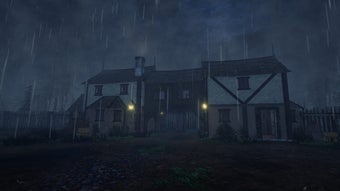
During the nightly phase known as the "Witch Hour," the routine becomes high-tension survival. You patrol the grounds, keep the weathered station functional, and feed animal companions while defending the outpost with a bow against forest threats. Encounters include ominous entities like the Skyward Minister, and the shift changes both pacing and player priorities from paperwork to immediate survival.
The world design uses environmental storytelling to reveal its mystery
Players explore a full 3D environment that communicates lore through character interactions and scattered props rather than explicit exposition. Fog, a weathered checkpoint, and ambient sounds build atmosphere while NPC dialogue and wagon contents layer in hints about regional secrets. The presentation supports detective-style deduction, encouraging close inspection of both documents and surroundings to piece together the outpost's wider mystery.
Replayability comes from branching outcomes and management trade-offs
The narrative-heavy structure ties player choices to multiple endings, so decisions about mercy, bribes, and resource allocation change story outcomes. Outpost management tasks create trade-offs between short-term survival and long-term information gathering. Community interest around the reveal and the comparison to earlier checkpoint titles underline how branching consequences and genre blending drive repeat playthroughs.
A strong pick for players who value measured, morally charged simulations
The game is a rewarding choice for players who enjoy slow, system-driven storytelling and consequential decisions. However, its published minimum requirements, including a 4 GHz processor and 6 GB of RAM, restrict accessibility on lower-end machines. The game suits anyone seeking a narrative simulation with ethical choices and atmosphere, provided their desktop meets the stated performance baseline.